The video game industry is witnessing a dramatic shift in how developers and publishers approach artificial intelligence, with nearly all contracts now containing explicit provisions banning the use of generative AI technology. Haley MacLean, a corporate intellectual property lawyer and head of video game practice at Voyer Law, has observed this transformation firsthand, noting that anti-AI clauses have evolved from occasional additions to standard boilerplate language in virtually every agreement she reviews. This shift reflects growing concerns among industry stakeholders about both the legal landmines and the fierce consumer backlash associated with AI-generated content in games.
Speaking with gaming media, MacLean explained that she frequently works with publishing agreements ranging from indie to AA studios, documents that outline the services publishers provide in exchange for revenue sharing. Within these agreements, the prohibition of generative AI has become nearly universal. “It’s turned around, especially in the past year,” MacLean observed. “About two to three years ago, you’d see a little bit of it. But in this last year alone, it’s gone from being in a decent chunk of agreements, maybe the more risk-averse publishers, and sort of trickled down to the point where even smaller, more simple publishing studios are like, ‘Let’s include this just to cover our butts.’ Now it’s just boilerplate.”
The Anatomy of Anti-AI Contract Language
MacLean shared an anonymized example of typical anti-AI contract language that has become standard across the industry. These clauses explicitly prohibit developers from using any generative AI technologies in creating game products and forbid inserting game assets into AI system libraries or databases without prior written consent. Violations are treated as material breaches of agreement, potentially exposing developers to significant legal and financial consequences. This contractual language specifically targets AI used to actively generate assets, meaning passive encounters with AI-generated content, such as Google’s search results, would not trigger violations.
The legal framework surrounding these contracts draws from existing copyright law and anticipates future regulations that could have retroactive implications. MacLean’s advice to studios is unequivocal: “Don’t touch it. It’s not worth the legal liability that it brings to you.” This guidance reflects not only current legal uncertainties but also the potential for future court decisions and legislation to create unexpected consequences for companies that have already incorporated AI-generated content into their products. The Among Us developer Innersloth’s indie fund, Outersloth, has publicly shared its generative AI clause as an example of industry best practices.
Consumer Backlash Drives Industry Decisions
Beyond legal concerns, MacLean emphasizes that generative AI use “has a major business effect because of how anti-AI the general public is.” Many of her clients begin contract discussions from this consumer-focused perspective, stating plainly that they don’t want to use generative AI because their communities would hate it. This sentiment was recently echoed by Palworld communications lead John Buckley, who succinctly stated, “Gamers don’t want it.” The pushback against AI in gaming appears particularly fierce in Western markets, especially in the United States, where multiple states have engaged in battles with AI companies over environmental resources and zoning issues, alongside broader ethical and labor concerns surrounding the technology.
Dozens of game developers have publicly voiced their opposition to generative AI, citing concerns about artistic integrity, labor displacement, and the potential degradation of game quality. The gaming community has proven particularly vigilant in identifying and calling out suspected AI use, creating significant reputational risks for studios that attempt to quietly incorporate the technology. Recent controversies surrounding games like Neverness to Everness, whose developer Hotta Studio admitted to AI use and was forced to remove generated assets after being accused of copying an anime film promotion almost shot-for-shot, demonstrate the real-world consequences of AI implementation gone wrong.
The Copyright Ownership Paradox
Perhaps the most complex legal issue surrounding generative AI involves copyright and ownership. MacLean explains that AI creates a paradoxical situation where creators may simultaneously face liability for using others’ work without permission while being unable to claim ownership of their own output. If an AI-generated asset can be linked to source material used without authorization, the game using that asset could face infringement claims. However, the reverse scenario presents equally troubling implications: if someone copies AI-generated content from your game, you may have no legal recourse because you never truly owned it in the first place.
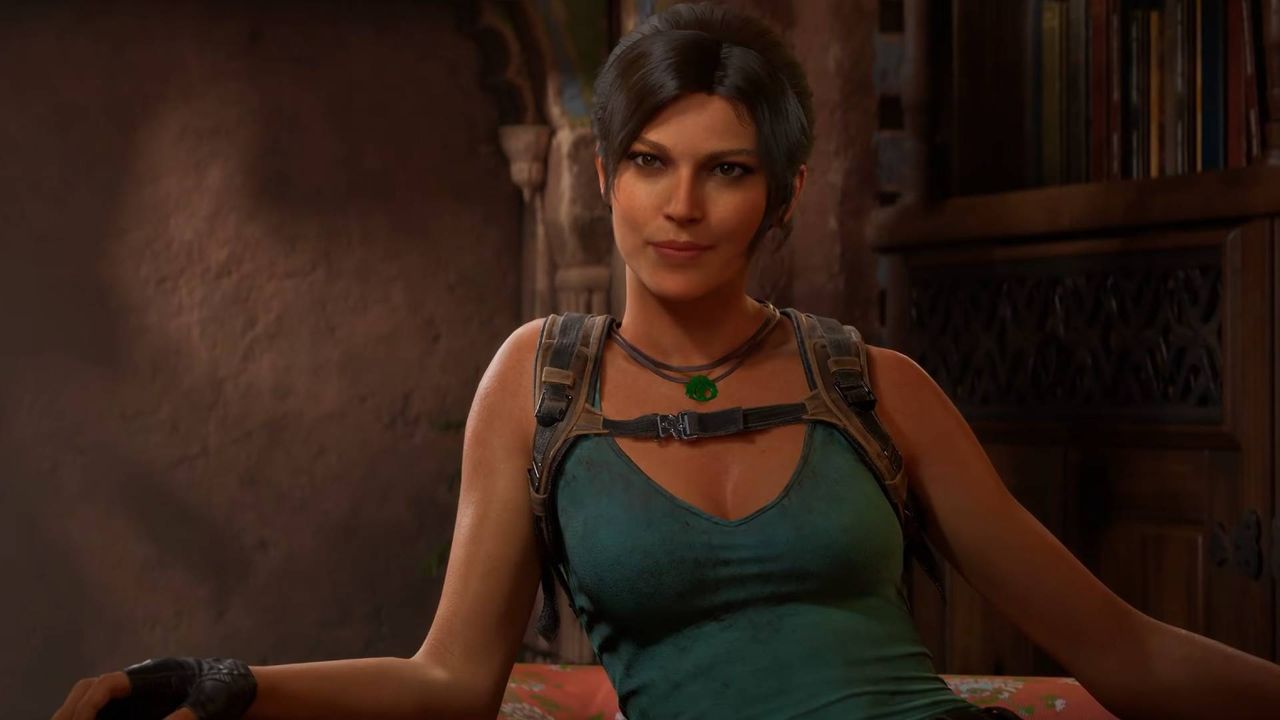
MacLean points to Tomb Raider: Legacy of Atlantis, which has faced criticism for its AI use, as a potential example of this vulnerability. She argues that if the game uses assets that haven’t been substantially transformed by human artists, competitors could potentially lift those assets without legal consequence. “If they had an outdoor level and all the trees are AI-generated, I legally would argue somebody could go and use every single tree in that game, put it in their game, and I don’t think those devs can turn around and say, ‘Those are our trees,'” she explained. “No, they’re not, because you didn’t generate them, and legally speaking, you have no ownership title over them if you didn’t put in the sweat equity to have an artist transform it into an original asset.”
Major Corporations and the Coming Legal Reckoning
MacLean expressed particular concern about major corporations adopting AI tools while seemingly ignoring legal implications. She noted watching Unreal Engine 6 tutorials where presenters demonstrate AI capabilities with only subtle hints that users should transform generated assets, knowing full well that most users won’t take those steps. “Sometimes I feel like I’m going crazy when I see these massive corporations,” she said. “Where are the lawyers? I truly don’t understand it.” She believes that large companies focused on cutting costs and increasing company value will inevitably cut corners with AI implementation, leading to legal consequences.
“I think these major companies who are always laying off, trying to cut the bottom line, they’re going to cut corners when they can, and I think they’re going to get sloppy,” MacLean predicted. “And I think we’re going to see lawsuits of those types in the coming years when they want their protection but they want to do everything faster and cheaper.” Ironically, she suggests that companies would likely spend so much time verifying AI output for legal compliance that hiring human artists would ultimately prove more cost-effective. “That’s what the Copyright Act wants,” she added. “It wants humans making art. Gen AI can’t assign copyright; it can’t transfer copyright. What case law in the US and Canada has seen, time and time again, is that AI cannot own because it was not human-made.”
Expert Opinion: The video game industry’s rapid adoption of anti-AI contractual language signals a fundamental shift in how creative industries will approach generative technology going forward. As copyright case law continues to develop and consumer resistance remains strong, we can expect the first major lawsuits over AI-generated game assets within the next two to three years, likely establishing precedents that will define the boundaries of AI use in creative industries for decades to come. Studios that have already incorporated AI-generated content without proper documentation and human transformation may find themselves particularly vulnerable to both infringement claims and challenges to their own intellectual property rights.