
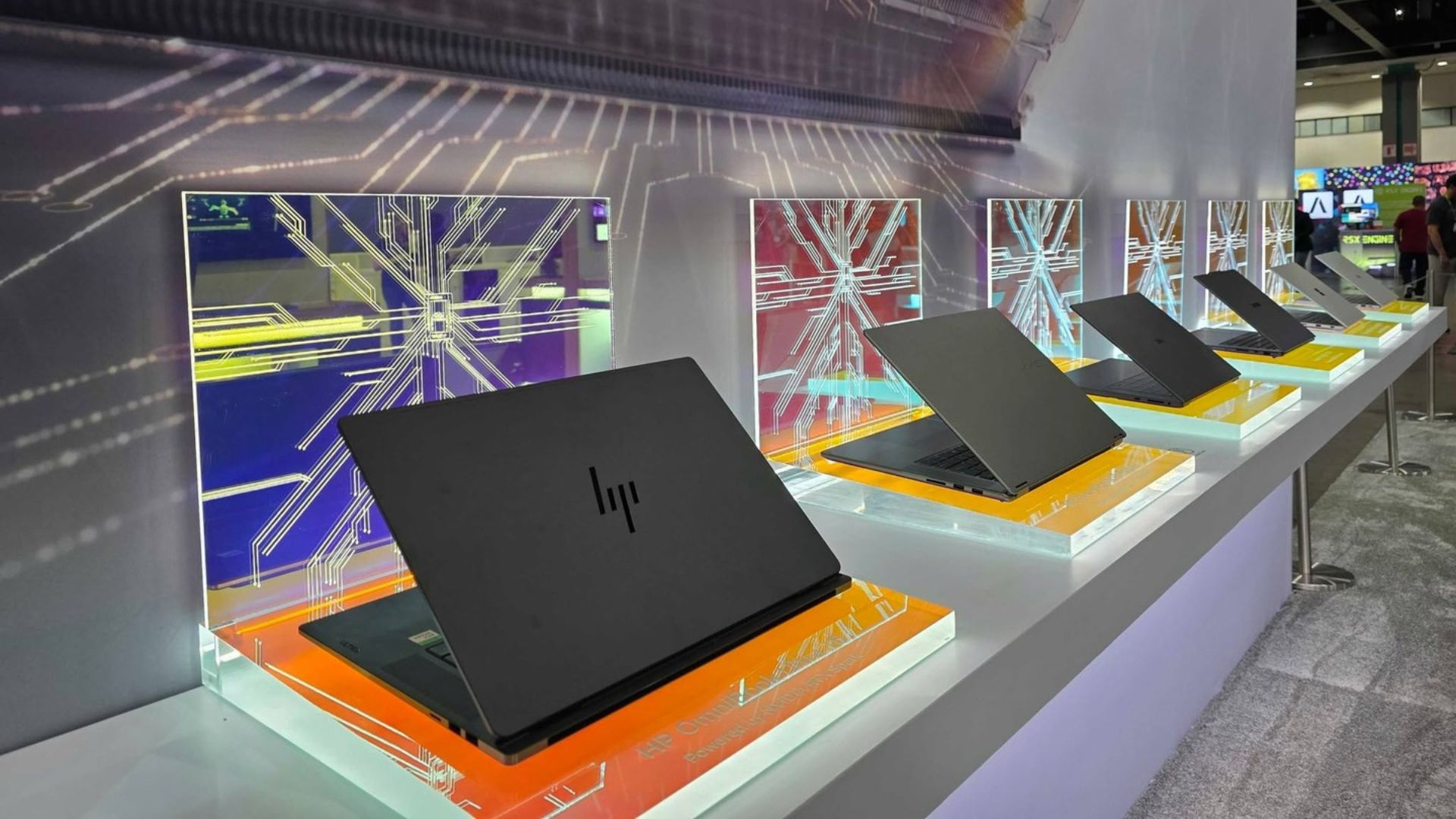
The gaming laptop industry appears to be on the cusp of a significant transformation as Nvidia’s ambitious push into Arm-based processors continues to gain momentum. Recent benchmark results appearing on Geekbench have provided fresh insights into the performance capabilities of Nvidia’s upcoming RTX Spark chips, suggesting that the company’s vision for power-efficient gaming laptops is progressing steadily toward commercial reality. These developments mark a potential turning point for portable gaming, where battery life and thermal management have long been pain points for enthusiasts seeking desktop-class performance on the go.
Nvidia first unveiled its Arm-based RTX Spark chips at Taiwan’s Computex trade show back in May 2024, signaling the company’s intention to capture a growing segment of gaming hardware that prioritizes power efficiency without sacrificing graphical prowess. The move represents a strategic pivot for Nvidia, which has traditionally focused its discrete GPU efforts on systems powered by Intel and AMD’s x86 processors. By developing its own Arm-based solution, Nvidia is positioning itself to offer a complete platform that integrates both the CPU and GPU components, potentially delivering unprecedented optimization and efficiency gains.
Building on Portable Gaming Experience
Nvidia’s foray into Arm-based gaming processors isn’t entirely new territory for the company. The firm has accumulated substantial experience creating Arm gaming chips for portable devices, most notably through its partnership with Nintendo. The Tegra processors that powered the Nintendo Switch demonstrated that Arm architecture could deliver compelling gaming experiences despite power constraints that would cripple traditional x86 systems. This foundation has provided Nvidia with invaluable insights into optimizing graphics performance within strict thermal and power envelopes, knowledge that appears to be directly informing the development of RTX Spark.
The timing of Nvidia’s push into Arm-based laptops coincides with a broader industry shift away from the x86 duopoly that has dominated personal computing for decades. Apple’s dramatic transition to its own Arm-based M-series processors demonstrated that the architecture could compete with and even surpass traditional chips in many workloads while delivering exceptional battery life. Qualcomm has similarly been making aggressive moves into the Windows laptop space with its Snapdragon X Elite processors, which have garnered attention for their efficiency advantages. Nvidia’s entry into this arena adds another formidable competitor to an increasingly crowded field.
Performance Benchmarks and Market Implications
The Geekbench results that have recently surfaced provide tantalizing glimpses into what RTX Spark might deliver when it reaches consumers. While specific numbers remain subject to interpretation given the pre-release nature of the hardware, the benchmarks suggest that Nvidia has made considerable progress in achieving competitive CPU performance alongside its traditionally strong GPU capabilities. Industry analysts note that the integrated nature of the RTX Spark platform could allow for more efficient memory sharing between the CPU and GPU, potentially reducing latency and improving overall system responsiveness in gaming scenarios.
For consumers, the promise of Arm-based gaming laptops extends beyond raw performance metrics. The architecture’s inherent efficiency advantages could translate into gaming sessions that don’t require constant proximity to a power outlet, addressing one of the most persistent complaints about high-performance portable gaming systems. Current gaming laptops typically offer only modest battery life when running demanding titles, often limiting users to one or two hours of play before requiring a recharge. If Nvidia can maintain competitive frame rates while significantly extending battery life, it could fundamentally alter how and where people engage with PC gaming.
Challenges and Road Ahead
Despite the promising developments, significant challenges remain before Arm-based gaming laptops can achieve mainstream adoption. Software compatibility represents perhaps the most substantial hurdle, as the vast majority of PC games are compiled for x86 processors. While translation layers like those employed by Apple and Microsoft can run many x86 applications on Arm hardware, performance penalties and compatibility issues persist with certain titles. Nvidia will need to work closely with game developers and platform holders to ensure that popular games either run natively on Arm or translate efficiently without significant degradation in the gaming experience. The company’s deep relationships within the gaming industry and its extensive developer tools ecosystem may provide advantages in addressing these concerns.
The competitive landscape also presents considerations for Nvidia’s strategy. AMD has been making steady gains in the laptop market with its Ryzen processors and integrated Radeon graphics, while Intel continues to iterate on its Core Ultra lineup with improved efficiency and AI capabilities. Qualcomm’s Snapdragon X Elite has already secured design wins with major laptop manufacturers, establishing an early foothold in the Windows Arm ecosystem. As Nvidia prepares to bring RTX Spark to market, it will need to differentiate not just on performance but on the complete ecosystem of software, drivers, and developer support that determines long-term platform viability.
Expert Opinion: The emergence of credible Arm-based alternatives in gaming laptops signals a fundamental shift in portable computing architecture that could reshape the industry within the next three to five years. Nvidia’s unique position as both a GPU leader and experienced Arm chip designer gives it significant advantages in creating optimized gaming platforms, though success will ultimately depend on solving the software compatibility challenge that has historically limited Arm adoption in gaming. If RTX Spark delivers on its efficiency promises while maintaining competitive performance, we could see gaming laptops finally achieve the all-day battery life that has long eluded the category.