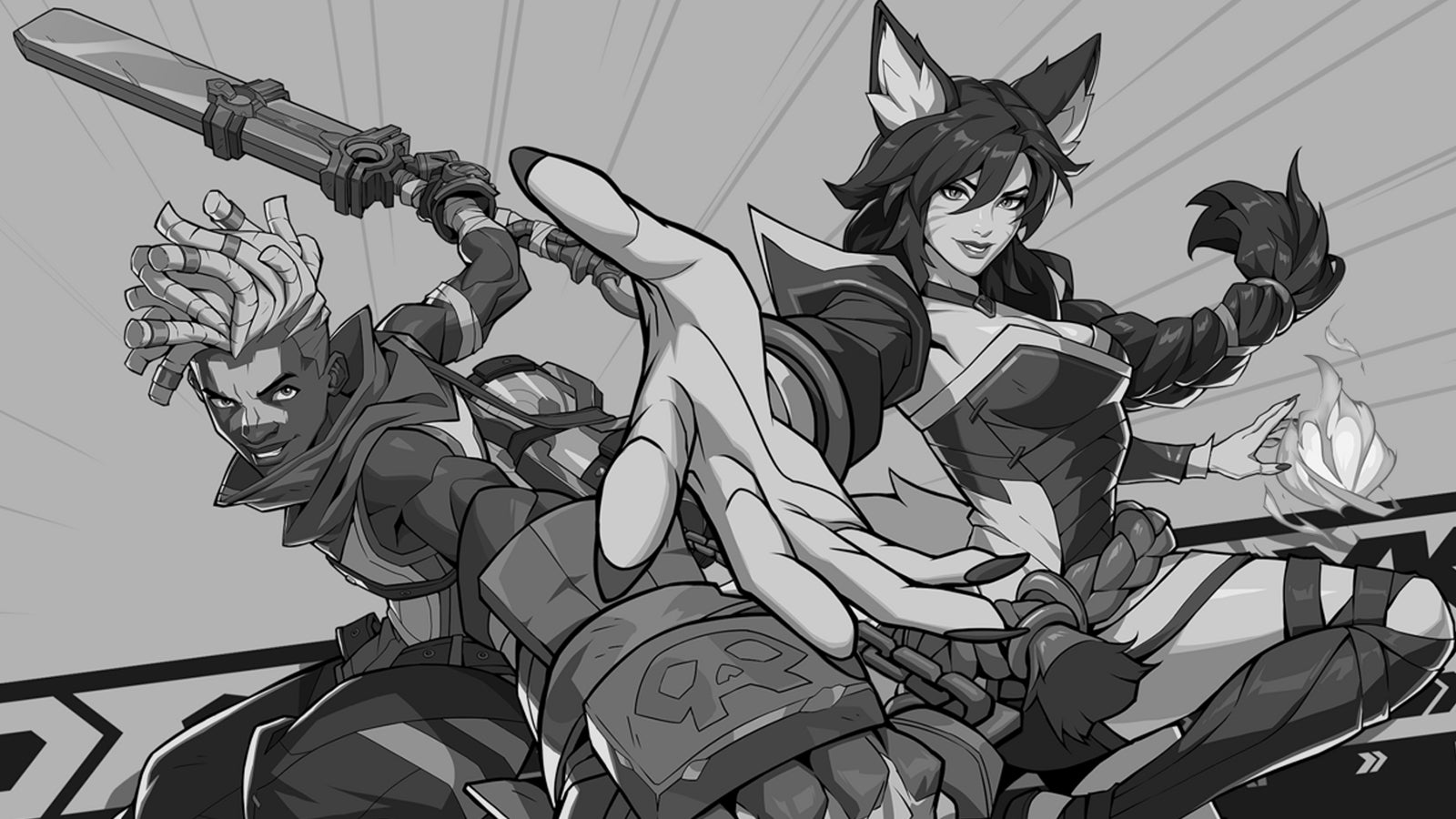
In what many consider one of the most disappointing developments in the gaming industry this year, Riot Games has officially announced that its League of Legends-based fighting game, 2XKO, will cease active development in December 2026. The announcement, delivered through a candid blog post on August 20, confirmed what many in the fighting game community had feared for months. While online play will continue to function and servers will remain operational for the foreseeable future, the decision marks the end of an ambitious project that sought to bring the beloved League of Legends universe into the competitive fighting game arena.
The 2XKO development team provided a transparent explanation for their decision, citing insufficient player retention as the primary factor. “Over the last few months, we’ve been monitoring 2XKO’s trajectory closely, and what we’ve seen is painting a clear, consistent picture: while a lot of you jumped in to try the game and there’s an incredible community that plays every day, we haven’t seen enough players stick with the game to get to a path toward sustainability,” the official statement read. This admission highlights the brutal reality of the modern gaming market, where even titles backed by major publishers struggle to maintain viable player bases in an increasingly competitive landscape.
The Final Months of Active Support
Despite the impending shutdown of active development, Riot has committed to providing meaningful content and support through the remainder of 2026. The final content patch, scheduled for October, will introduce two new champions to the roster: Lux, the Lady of Luminosity known for her light-based abilities, and Samira, the Desert Rose whose acrobatic combat style has made her a fan favorite in League of Legends. A final bug fix patch will follow in December, ensuring that the game remains in a polished state for those who continue to play. The company has also announced significant changes to the game’s economic structure, including the disabling of KO Points purchases and full refunds for all purchases made prior to August 20, 2026.
In a gesture of goodwill toward the remaining player base, Riot will unlock most gameplay content, including all champions, making the full roster accessible to everyone. A comprehensive cosmetic bundle containing nearly all 2XKO cosmetic content will be made available for $39.99, while most items will become purchasable with Credits. Systems designed for a live-service model, such as Battle Passes, KO Points, Champion Tokens, seasons, and scheduled events, will be removed entirely. Ranked lobbies will also be disabled to consolidate the player pool and improve matchmaking times in casual play, though skill-based matchmaking will continue to function in casual modes.
The Competitive Scene’s Final Chapter
The 2XKO Competitive Series, which brought together talented players from around the world, will continue through the end of 2026 before concluding permanently. Riot has pledged continued support for players and tournament organizers during this transitional period, including providing prize pools for all Major and Challenger events. The final official Competitive Series event is scheduled for November 2026, marking the end of an era for the game’s organized competitive scene. However, the door remains open for community-driven competition, as tournament organizers will be permitted to run both offline and online events featuring 2XKO using Riot’s community competition guidelines beginning in 2027.
The decision to end development came after exhaustive internal evaluation of all available options. The development team explored reducing workforce size — a measure that had already been implemented in February 2026 when dozens of team members were laid off — adjusting patch schedules, and fundamentally changing their business model. However, none of these alternatives proved viable. “Diehard tag fighter players loved 2XKO, but most other fighting game players struggled to find reasons to stick with the game,” the team explained. Despite these dedicated fans, the broader appeal never materialized, and the game failed to achieve the sustained growth necessary for long-term viability.
Industry Context and Community Response
The announcement has sparked widespread disappointment throughout the fighting game community, with many expressing frustration at what they perceive as Riot’s unrealistic expectations for success. Evo, the world’s largest and most prestigious fighting game tournament series, issued a statement of support: “Not the news we wanted to hear today. Sending love to the team who worked so hard to bring the game to life.” The sentiment was echoed across social media platforms, where players and content creators shared their grief and criticism. One player wrote, “I feel terrible for the 2XKO team and so sad for myself and everyone who loves this game. Shame on Riot for the way they turn their backs on games they develop that don’t have LoL numbers.” Another commenter criticized the company’s broader strategy, stating, “Riot really needs to stop cancelling everything that isn’t as big as LoL. You’re never gonna reach that level of success again.”
This situation reflects a broader pattern in Riot Games’ approach to projects outside their flagship title. The company has faced criticism for setting unrealistically high benchmarks based on League of Legends’ extraordinary success, which remains one of the most-played games globally with hundreds of millions of active accounts. Fighting games, by their nature, cater to a more niche audience than free-to-play multiplayer online battle arenas, making direct comparisons problematic. The tag-team format of 2XKO, while innovative and beloved by its dedicated community, required a significant time investment to master, potentially creating barriers for casual players looking for quick entertainment. Industry analysts have noted that the fighting game genre has always operated with smaller but passionate player bases, and measuring success against League of Legends’ numbers may represent a fundamental misunderstanding of genre-specific market dynamics.
Looking Forward: Lessons for the Industry
The closure of 2XKO’s active development serves as a sobering reminder of the challenges facing new entries in established gaming genres. Despite the powerful intellectual property backing of League of Legends, with its rich character roster and established lore, converting that brand recognition into sustained fighting game engagement proved insurmountable. The warning signs had been visible for months, with the February layoffs sending shockwaves through the community and prompting speculation about the game’s future. While some consolation exists in the fact that servers will remain operational and offline play will continue indefinitely, the uncertainty surrounding long-term online support has left many players apprehensive. Riot’s statement that they will provide “advanced notice if any of that changes” offers little comfort to those who have invested significant time and emotion into the competitive tag fighter.
For now, the 2XKO community faces the bittersweet task of enjoying their final months of active support while preparing for an uncertain future. The promised content additions of Lux and Samira will give players new champions to explore, and the upcoming competitive events will provide final opportunities for glory on the official stage. Beyond December 2026, the game will enter a maintenance mode existence, sustained by the dedication of its community and the goodwill of tournament organizers willing to keep the competitive flame alive. Whether this represents a temporary pause or a permanent conclusion remains to be seen, but the legacy of 2XKO — a game that dared to bring League of Legends into the fighting game arena — will endure in the memories of those who loved it.
Expert Opinion: The shutdown of 2XKO highlights a growing tension in the gaming industry between corporate expectations shaped by mega-hit benchmarks and the realistic economics of niche genres. Fighting games have historically thrived with dedicated communities numbering in the hundreds of thousands rather than millions, and publishers attempting to enter this space must recalibrate their success metrics accordingly. Moving forward, we may see more developers adopting sustainable, community-focused models rather than chasing unsustainable growth targets that doom otherwise beloved titles.