
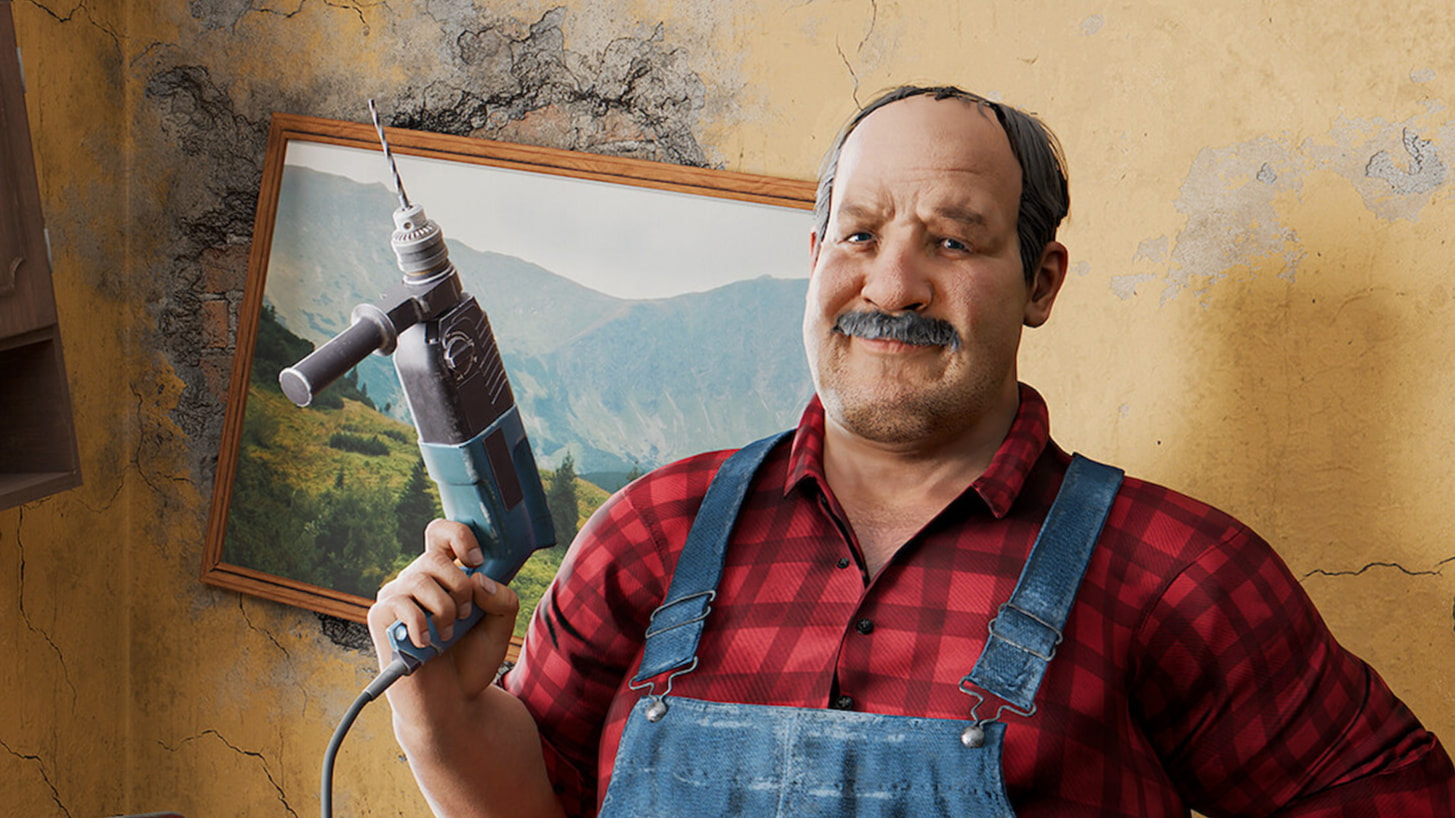
Nobody wants a cowboy builder working on their house. Wonky tiles, patchy plaster, and uneven paintwork would be getting away with it lightly when dealing with an incompetent contractor. However, players never expected that being a cowboy builder could be quite so entertaining. While Low-Budget Repairs isn’t quite what one might anticipate from its premise, it delivers an enjoyably silly take on the increasingly popular renovation game genre that has captured the attention of gamers worldwide. The game invites players to embrace chaos rather than precision, turning the typically meticulous world of home improvement into a playground of destruction and questionable craftsmanship.
The renovation simulation genre has experienced remarkable growth over the past decade, with titles like House Flipper, PowerWash Simulator, and Garden Simulator attracting millions of players who find satisfaction in virtual tidying and restoration. These games typically reward careful attention to detail and methodical approaches to cleaning and repairing virtual properties. Low-Budget Repairs takes this established formula and gleefully subverts it, creating something that feels more like a comedy sandbox than a serious simulation. The result is a refreshing departure that proves sometimes the most enjoyable games are those that don’t take themselves too seriously.
Chaos as a Core Mechanic
What sets Low-Budget Repairs apart from its more polished competitors is its embrace of absurdity as a fundamental gameplay element. Players find themselves hurling furniture off balconies, making hilariously shoddy repairs that would horrify any professional contractor, and generally causing the kind of mayhem that would result in immediate termination in the real world. The physics engine plays a starring role here, creating unpredictable and often hilarious interactions between objects, characters, and the environment. Rather than punishing players for mistakes, the game celebrates them, encouraging experimentation and creative problem-solving that often involves the least professional solution imaginable.
The game’s approach to construction and renovation mirrors a broader trend in gaming where intentional jankiness becomes a feature rather than a bug. Titles like Goat Simulator and Surgeon Simulator pioneered this approach, demonstrating that players sometimes crave experiences that allow them to fail spectacularly and laugh at the results. Low-Budget Repairs carries this torch admirably, understanding that the tension between trying to accomplish legitimate renovation tasks and the game’s chaotic mechanics creates comedy gold. Every wobbly shelf installation and crooked door frame becomes a source of amusement rather than frustration.
A Fresh Perspective on Home Improvement Gaming
The renovation game market has become increasingly crowded, with developers competing to offer the most satisfying virtual cleaning and repair experiences. Games like House Flipper have sold millions of copies by tapping into the universal appeal of transformation and tidiness, while PowerWash Simulator demonstrated that even the most mundane tasks can become compelling gameplay when executed well. Low-Budget Repairs carves out its own niche by appealing to players who want the satisfaction of renovation without the pressure of perfection. It’s a game that recognizes not everyone wants to create Pinterest-worthy interiors, and sometimes the journey matters more than the destination.
The game also taps into a relatable anxiety about home repairs and the contractors we trust to perform them. Horror stories about incompetent builders are commonplace, from extensions that don’t meet building codes to bathroom renovations that create water damage throughout entire homes. By putting players in the role of these nightmare contractors, Low-Budget Repairs creates a safe space to explore what happens when things go catastrophically wrong. There’s a cathartic quality to intentionally doing a terrible job, especially for players who have experienced the frustration of dealing with subpar workmanship in their own homes.
Verdict and Recommendations
Low-Budget Repairs succeeds precisely because it understands what makes games fun isn’t always skill mastery or achievement completion. Sometimes players simply want to throw sofas off balconies and watch the chaos unfold. The game offers a welcome palate cleanser from more serious simulation titles, providing laugh-out-loud moments and shareable gameplay clips. For players seeking a relaxing but entertaining experience that doesn’t demand perfection, Low-Budget Repairs delivers admirably. It may not teach valuable renovation skills or inspire home improvement projects, but it will almost certainly produce genuine laughter, and sometimes that’s exactly what gaming should deliver.
Expert Opinion: The success of deliberately chaotic games like Low-Budget Repairs signals an evolving market where players increasingly value humor and stress relief over traditional skill-based progression. This title demonstrates that the simulation genre has room for both perfectionist experiences and comedic alternatives, potentially opening doors for more developers to explore intentionally imperfect gameplay mechanics as legitimate design choices.