
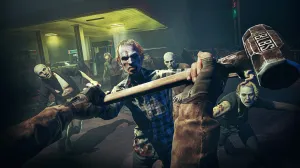
For dedicated fans of zombie fiction, finding a truly fresh experience in the genre can feel like searching for survivors in an overrun city. After decades of shuffling corpses across every entertainment medium imaginable, from George Romero’s groundbreaking 1968 classic “Night of the Living Dead” to the sprawling open worlds of modern gaming, one might assume the undead have nothing new to offer. Yet No More Room in Hell 2, which recently launched its full 1.0 release after an extensive early access period, proves that assumption gloriously wrong. This first-person survival horror experience from Torn Banner Studios manages to capture the authentic dread and tension of classic zombie fiction while delivering gameplay mechanics that feel genuinely innovative in a crowded market.
The journey to this polished 1.0 build has been anything but straightforward for Torn Banner, a studio best known for their work on the PvP medieval combat series Chivalry. The game spent approximately two years in early access, during which time the development team worked tirelessly to address community feedback and refine their vision. Early access periods are notoriously challenging, and No More Room in Hell 2 faced its share of growing pains, including balancing issues, technical bugs, and fundamental design questions that at times frustrated players who fondly remembered the under-the-radar original game. However, the current release demonstrates that patience and persistence have paid off, with most of those early concerns having been thoroughly addressed.
A Unique Eight-Player Experience Sets It Apart
What immediately distinguishes No More Room in Hell 2 from its competitors is its purposeful design around eight-player teams. This might seem like a minor detail, but it represents a thoughtful middle ground in the zombie game landscape. Titles like DayZ accommodate massive lobbies with dozens of players, creating chaotic open-world survival experiences. Left 4 Dead and its spiritual successors typically focus on tight four-player cooperative action. Meanwhile, games like Days Gone offer entirely solo experiences. The eight-player sweet spot creates unique social dynamics that neither extreme can replicate, allowing for meaningful team coordination while still maintaining enough players that losing a few to infection or poor decisions doesn’t immediately doom the mission.
The game’s campaign missions unfold across expansive maps set in Pennsylvania, featuring diverse environments ranging from dense woodlands to quiet residential neighborhoods to bustling downtown areas. These aren’t linear corridors but rather wide-open spaces with significant lateral exploration opportunities. Players move through these environments completing objectives as a group, with the ultimate goal of escaping with everyone still breathing. The pacing is deliberately slower than many modern action games, emphasizing tension and atmosphere over constant combat. This design philosophy draws heavily on the shambling terror of classic Romero films rather than the sprinting infected of more recent zombie media.
Atmospheric Design That Honors Zombie Fiction History
The visual and atmospheric design of No More Room in Hell 2 demonstrates a deep reverence for zombie fiction’s rich history. Undead creatures spring from caskets, pound relentlessly on doors and windows until barriers give way, and shamble through graveyards in scenes that evoke Barbara’s fateful visit to the cemetery in Romero’s original classic. While the newly released console version naturally doesn’t match the visual fidelity of the PC edition, the game maintains its strong atmospheric presence across all platforms. This commitment to atmosphere extends to mission structure, with some campaigns beginning with players scattered across the map, requiring them to find each other through exploration before tackling objectives together. These missions create an especially desolate and dangerous feeling, capturing exactly what many horror fans seek from zombie experiences.
The zombie threat itself operates under rules that demand respect from players. Nearly all enemies are the classic slow-moving variety, but even a single zombie can spell disaster for the unprepared. Taking down just one undead assailant typically requires four or more solid melee strikes to the head, with each blow chipping away at skulls in satisfyingly gruesome fashion. Body shots merely waste precious stamina without efficiently neutralizing threats, unless players happen to be wielding sharp weapons capable of removing limbs and halting zombie movement. The personal space management required when fighting becomes its own skill, requiring players to let enemies approach close enough for melee range while staying just outside their grabbing and biting distance. This learning curve separates survivors from casualties early in the player experience.
Stamina Management and Infection Create Genuine Stakes
Stamina management emerges as one of the game’s most thoughtful mechanics, requiring near-constant attention from players hoping to survive. A powerful kick ability provides crucial breathing room when surrounded by ghouls, but it consumes significant stamina reserves. Running similarly depletes this vital resource, creating difficult tactical decisions in moment-to-moment gameplay. Experienced players quickly learn to maintain awareness of their surroundings, because fleeing from one horde while exhausted often means stumbling directly into another with no energy reserves to fight. The game rewards cautious, methodical approaches while punishing panic-driven decisions, creating tension that builds throughout each mission.
Perhaps the most compelling mechanic involves the infection system. Players can become infected mid-mission, and if they fail to manage their condition, they’ll transform into faster zombie variants, losing control of their character entirely and becoming threats to their former teammates. Pills can temporarily suppress infection, and infected players give away their condition through periodic coughing. However, pills aren’t abundant enough for everyone, creating fascinating social dynamics. Some players choose self-preservation, hoarding medication while their infected teammate slowly turns. Others might hide their infection from the group, hoping to find a cure or simply escape while still human. The most altruistic players sacrifice themselves before turning, sparing their companions from dealing with a dangerous infected ally.
Permadeath and Character Progression Raise Every Decision’s Weight
On difficulties above beginner, permadeath dramatically raises the stakes of every encounter. Characters are randomly generated with basic stats and backstories, though players can customize their appearance. Successful campaigns award experience points that unlock new skills, allowing players to specialize their characters over time. Building a melee-focused character through stamina and damage buffs over many hours creates genuine attachment, making the threat of permanent death genuinely nerve-wracking. Taking a level twenty character into a mission that quickly goes sideways produces authentic tension rarely found in modern gaming. However, the game provides multiple early extraction points throughout lengthy campaigns, allowing desperate players to escape with their lives at the cost of experience gains.
The weighted melee combat system excels at selling the survival horror fantasy, though gunplay on controllers leaves room for improvement. Aim assist proves inconsistent, often sticking to zombie bodies rather than tracking heads accurately, leading to wasted ammunition. However, this limitation matters less than it might in other games because firearms attract zombie attention through noise. Smart players avoid shooting unless absolutely necessary, meaning many missions can be completed without ever pulling a trigger. Teamwork becomes essential for survival, particularly in later mission stages when zombie density increases. The game rewards cooperation while authentically capturing the frustrations of surviving alongside other flawed humans.
Multiple Modes and Strong Foundations for the Future
Beyond the primary campaign-style Objective mode, No More Room in Hell 2 includes a wave-based survival alternative. While this mode serves as a faster way to complete challenges and level characters, it cannot match the atmospheric tension of proper campaign missions. The campaign missions typically run thirty to sixty minutes, making them substantial time commitments but ultimately the definitive way to experience what the game offers. Controller support, though functional, suffers from occasionally clunky menu navigation, with cursors sometimes disappearing or inputs not registering cleanly. These interface issues represent minor annoyances in menus but can become problematic during missions when quick access to social features becomes necessary.
No More Room in Hell 2 ultimately succeeds by combining elements from some of the genre’s best titles into something that feels distinctly its own. The life-or-death stakes and persistent character investment recall the excellent State of Decay series, while the cooperative structure channels the beloved Left 4 Dead formula. Though certain mechanical rough edges prevent it from surpassing those inspirations, reaching that bar represents a remarkably high standard. For fans who’ve consumed nearly every piece of zombie media ever created and worry the genre has exhausted its creative possibilities, this game offers compelling evidence that the undead still have fresh terrors to deliver.
Expert Opinion: No More Room in Hell 2 represents an important evolution in cooperative horror gaming, demonstrating that methodical, tension-focused design can compete in a market dominated by faster-paced alternatives. The game’s successful 1.0 launch after a challenging early access period suggests Torn Banner has found a sustainable development model, and its unique eight-player structure positions it well for building a dedicated community. Industry observers should watch this title closely as a potential template for future horror games seeking to prioritize atmosphere over action.