
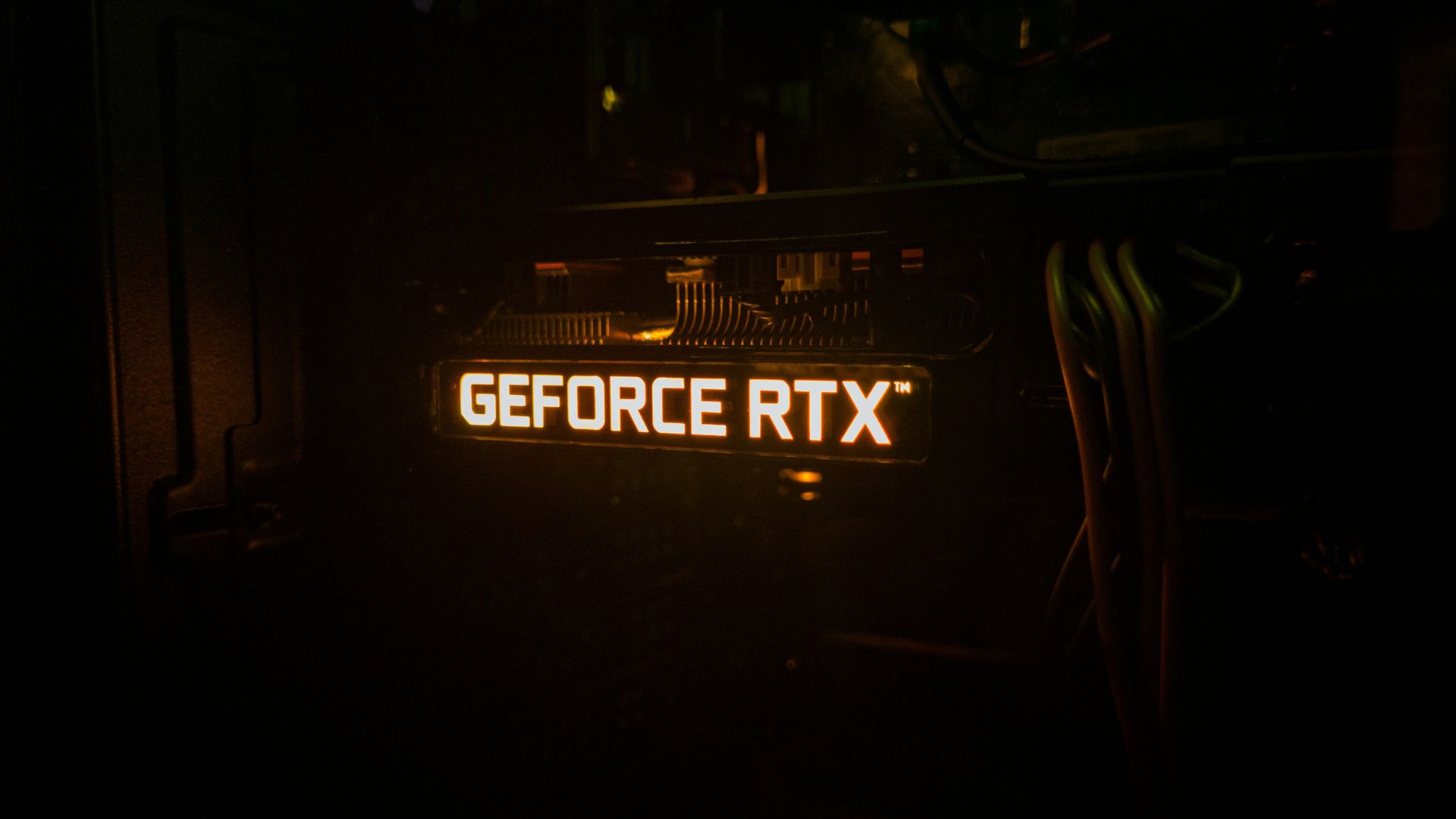
The dream of building a capable gaming PC at a reasonable price point has become increasingly challenging in recent years. With the artificial intelligence boom driving unprecedented demand for key components such as graphics cards and DDR5 RAM, prices have surged to record highs. For enthusiasts hoping to assemble a new gaming rig in the $1,000 to $1,500 range, the path forward requires more careful planning and strategic component selection than ever before, particularly for those who want to incorporate the latest and greatest hardware into their builds.
The semiconductor industry has undergone a dramatic transformation since the early 2020s, with AI workloads competing directly with gaming for the same high-performance silicon. Graphics processing units, which once served primarily as gaming accelerators, have become the backbone of machine learning operations worldwide. This shift has created supply constraints and pricing pressures that have fundamentally altered the PC building landscape, leaving budget-conscious gamers searching for creative solutions.
The Impact of AI Demand on Component Pricing
The correlation between artificial intelligence development and gaming hardware costs cannot be overstated. Major GPU manufacturers like NVIDIA and AMD have seen their data center revenues explode, with AI-focused products commanding premium prices and production priority. This has had a cascading effect on consumer graphics cards, where even mid-range options now frequently exceed $400 to $500. The situation with DDR5 memory has followed a similar trajectory, as high-bandwidth memory becomes essential for both AI training workloads and next-generation gaming platforms. Industry analysts estimate that component prices have risen by 25 to 40 percent compared to pre-AI boom levels, making traditional budget benchmarks increasingly difficult to achieve.
Historical context helps illustrate just how dramatically the market has shifted. In 2019, building a highly capable 1080p gaming system for under $800 was entirely feasible, with premium 1440p builds comfortably fitting within the $1,200 range. The cryptocurrency mining craze of 2021 offered a preview of current conditions, but the sustained nature of AI demand has proven far more impactful on long-term pricing structures. Unlike the volatile crypto market, enterprise AI investment shows no signs of slowing, suggesting these elevated prices may represent a new normal rather than a temporary spike.
Strategic Approaches for Budget Builders
Despite these challenges, resourceful PC builders still have options for achieving respectable gaming performance within the $1,200 budget constraint. The key lies in making intelligent compromises and timing purchases strategically. Previous-generation components often offer exceptional value, with last-year’s flagship graphics cards delivering performance that rivals or exceeds current mid-range offerings at lower price points. Additionally, the used and refurbished market has matured significantly, with reputable sellers offering warranties and guarantees that reduce the risk traditionally associated with secondhand purchases.
Component prioritization has also evolved in response to market conditions. Many experienced builders now recommend allocating a larger percentage of the budget toward the graphics card while economizing on areas that have less impact on gaming performance, such as storage capacity or case aesthetics. Opting for DDR4 platforms where possible can yield significant savings, as the performance differential in gaming workloads remains relatively modest compared to the price premium commanded by DDR5 alternatives. Furthermore, watching for seasonal sales events and manufacturer promotions has become essential, with price fluctuations of 15 to 20 percent not uncommon during major retail periods.
Looking Ahead: Market Predictions and Alternatives
Industry experts offer mixed predictions for the near-term future of PC component pricing. Some analysts anticipate that increased manufacturing capacity and competition from emerging chipmakers could provide relief within the next 12 to 18 months. Others suggest that the insatiable demand for AI computing power will continue to strain supply chains indefinitely, maintaining pressure on consumer pricing. For gamers unwilling to wait, alternative approaches such as gaming laptops, pre-built systems during promotional periods, or cloud gaming services may offer more predictable cost structures. The console market has also become more competitive, with current-generation systems delivering impressive performance at fixed price points that undercut equivalent PC builds. Ultimately, while the $1,200 gaming PC remains achievable in 2026, it requires more research, patience, and willingness to compromise than enthusiasts have needed in years past.
Expert Opinion: The current pricing environment represents a fundamental market restructuring rather than a temporary anomaly. As AI investment continues to accelerate globally, we expect GPU and memory prices to stabilize at elevated levels, with meaningful relief unlikely before 2027. Budget-conscious builders should focus on value-oriented previous-generation hardware and consider hybrid approaches combining modest upfront investment with future upgrade paths.