
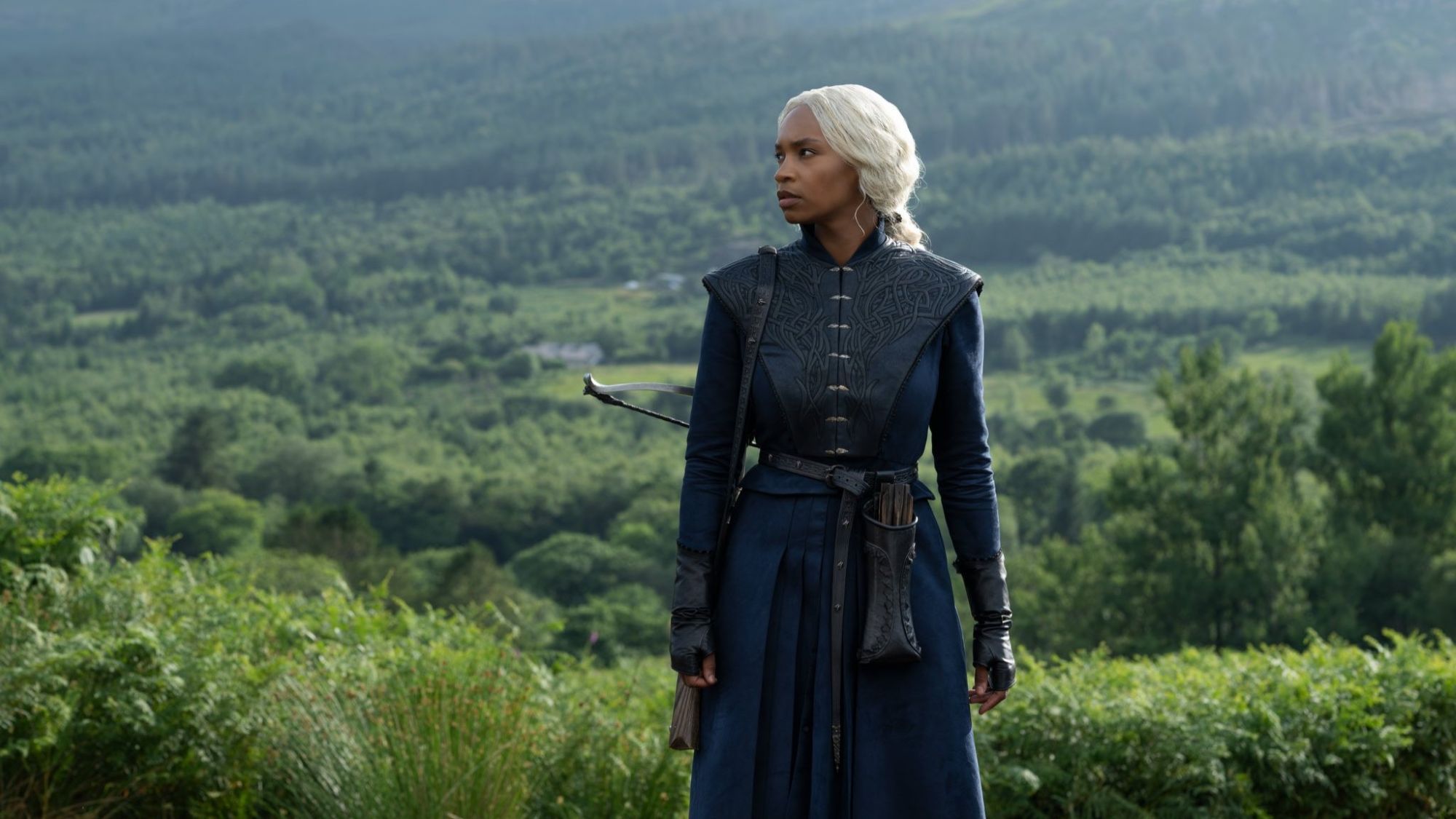
The epic fantasy saga set in the world of Westeros reaches another milestone this weekend as House of the Dragon Season 3 delivers its highly anticipated finale. While devoted fans will finally witness the conclusion of this season’s dramatic events, they face an extended hiatus before the series returns for its fourth and final season, which industry sources indicate won’t premiere until at least 2028. This lengthy gap between seasons has become somewhat characteristic of prestige television productions, particularly those requiring extensive visual effects and elaborate set pieces that define the Game of Thrones universe.
The prequel series, which chronicles the devastating Targaryen civil war known as the Dance of the Dragons, has continued to captivate audiences despite generating significant debate among viewers familiar with George R.R. Martin’s source material, “Fire & Blood.” The third season has introduced several controversial departures from the original text, sparking intense discussions across social media platforms and fan communities. However, these creative decisions have done little to diminish viewership, as the season premiere attracted an impressive 21.5 million viewers within just three days of its release, cementing its position as one of the most successful streaming and television premieres of 2026.
Record-Breaking Viewership Demonstrates Franchise Strength
The remarkable premiere numbers underscore the enduring appeal of the Game of Thrones franchise nearly a decade after the original series concluded its controversial run in 2019. House of the Dragon has successfully revitalized interest in Westeros, proving that audiences remain hungry for stories set in this richly detailed fantasy world. The series benefits from HBO’s substantial investment in production values, with each episode reportedly costing upwards of twenty million dollars to produce, featuring elaborate costumes, intricate set designs, and groundbreaking visual effects that bring dragons to life with unprecedented realism.
Television analysts note that the show’s success reflects broader trends in prestige streaming content, where established intellectual properties with dedicated fan bases consistently outperform original programming in terms of initial viewership. The Game of Thrones brand carries significant cultural weight, having defined an era of appointment television during its original run from 2011 to 2019. House of the Dragon has managed to recapture much of that cultural momentum while establishing its own identity through a distinct cast of characters and a storyline that predates the events of the original series by approximately two hundred years.
Source Material Controversies Spark Fan Debates
The creative team’s decision to deviate from George R.R. Martin’s historical chronicle has proven divisive among the show’s audience. Purists who have studied “Fire & Blood” extensively argue that certain changes undermine character motivations or alter the thematic weight of key events. Meanwhile, other viewers appreciate the adaptations as necessary adjustments for television storytelling, which operates under different constraints than written fiction. This tension between adaptation fidelity and creative interpretation has long characterized discussions surrounding beloved literary properties brought to screen.
Showrunner Ryan Condal and his writing team have defended their choices, explaining that translating an in-universe historical text into dramatic television requires filling gaps and making interpretive decisions. “Fire & Blood” is presented as a historical account written by maesters after the events occurred, meaning it contains contradictions, uncertainties, and multiple versions of events. This narrative structure provides the television adaptation with flexibility while also inviting scrutiny from fans who have their own interpretations of ambiguous passages.
Looking Ahead to the Final Season and Beyond
As fans prepare for the extended wait until Season 4, speculation about the series’ conclusion has already begun circulating throughout online communities. The Dance of the Dragons represents one of the most tragic and consequential conflicts in Westerosi history, and viewers familiar with the source material know that significant dramatic events remain to be depicted. The production team faces the challenge of bringing this devastating civil war to a satisfying conclusion while managing audience expectations shaped by both the source material and the mixed reception to Game of Thrones’ own finale.
HBO continues to develop additional projects set in the Game of Thrones universe, demonstrating confidence in the franchise’s long-term commercial viability. While specific details about future spinoffs remain closely guarded, the network has confirmed that multiple projects are in various stages of development, ensuring that Westeros will remain a fixture of prestige television for years to come. For now, fans will spend the coming months analyzing every detail of the Season 3 finale, debating its implications, and counting down the days until they can return to this world of dragons, intrigue, and fire.
Expert Opinion: The extended gap between seasons represents both a challenge and an opportunity for HBO. While viewer engagement typically diminishes during lengthy hiatuses, the streaming era has fundamentally changed how audiences consume and revisit content, potentially mitigating subscriber attrition. The franchise’s proven ability to generate cultural conversation suggests House of the Dragon will maintain its position as appointment viewing when it eventually returns, particularly if HBO strategically deploys additional Westeros content to maintain audience interest during the interim period.