
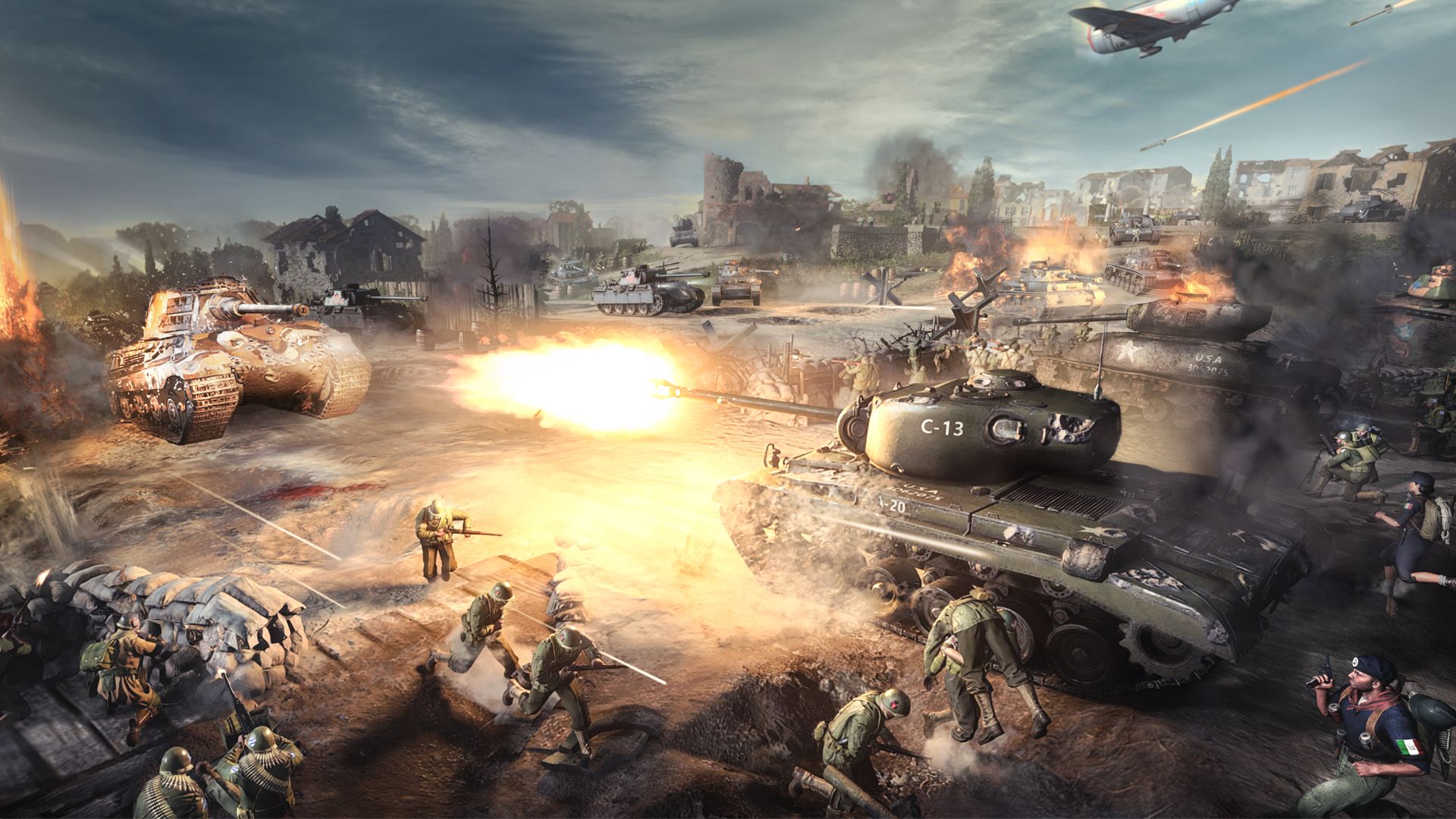
An RTS game that’s also a wave defense with roguelike elements? Someone somewhere came up with an idea so laser-focused on a particular gaming niche that it feels almost personally targeted at strategy enthusiasts who crave both tactical depth and replayability. Company of Heroes 3: Final Stand represents a fascinating departure from the traditional real-time strategy formula, blending the franchise’s signature World War II combat with mechanics borrowed from entirely different genres. The result is a standalone expansion that offers bite-sized action sessions infused with elements of chance and strategic decision-making that keep players coming back for more.
A Fresh Take on Classic RTS Gameplay
The Company of Heroes franchise has been a cornerstone of the real-time strategy genre since its debut in 2006, developed by Relic Entertainment. Known for its emphasis on tactical combat, squad-based mechanics, and historically authentic World War II settings, the series has consistently delivered experiences that prioritize strategic thinking over base-building busywork. Final Stand takes this foundation and reimagines it through the lens of wave defense gameplay, creating something that feels simultaneously familiar and refreshingly new. Players must hold defensive positions against increasingly difficult enemy waves, making split-second decisions about resource allocation, unit positioning, and upgrade paths.
The roguelike elements introduce a compelling layer of unpredictability to each session. Between waves, players are presented with choices that can dramatically alter their defensive capabilities—new unit types, powerful abilities, or passive bonuses that stack throughout a run. This system borrows heavily from successful roguelike titles like Hades and Slay the Spire, where each playthrough feels unique despite operating within the same fundamental framework. The randomized nature of these upgrades means that strategies must remain flexible, adapting to whatever tools the game provides rather than relying on memorized optimal builds.
Historical Context Meets Modern Design
Wave defense as a game mode has deep roots in gaming history, stretching back to classic arcade titles and evolving through tower defense games like Plants vs. Zombies and Defense Grid. What makes Final Stand’s implementation noteworthy is how it preserves the authentic military tactics that Company of Heroes is known for while condensing the experience into manageable sessions. The defensive scenarios draw inspiration from real World War II engagements where outnumbered Allied or Axis forces held positions against overwhelming odds—battles like the defense of Bastogne or the Siege of Tobruk that have become legendary examples of military determination.
Relic Entertainment’s decision to explore this hybrid format reflects broader trends in the gaming industry, where developers increasingly experiment with genre fusion to create novel experiences. The success of games like Vampire Survivors and Brotato has demonstrated significant appetite for action-focused titles with roguelike progression systems. By applying these principles to a prestigious RTS franchise, Relic is essentially testing whether hardcore strategy players will embrace more accessible, session-based gameplay structures without feeling that the tactical depth they value has been compromised.
Gameplay Loop and Replayability
The core gameplay loop of Final Stand revolves around surviving increasingly challenging enemy waves while building up defensive infrastructure and unit rosters. Each run presents different challenges based on randomly generated enemy compositions and the upgrade paths available to players. This creates a compelling cycle where failure becomes a learning opportunity rather than a frustration—each defeat reveals new strategies and teaches players about enemy behaviors and unit synergies they might not have previously considered.
The expansion also benefits from Company of Heroes 3’s refined engine and visual presentation. The destruction physics, detailed unit animations, and atmospheric battlefield effects create an immersive experience that makes defensive stands feel appropriately desperate and heroic. Watching carefully positioned machine gun teams mow down advancing infantry while mortars rain destruction on armored columns delivers the same visceral satisfaction that has defined the series, now compressed into focused, high-intensity sessions that respect players’ time while still demanding their full tactical attention.
Verdict and Future Implications
Company of Heroes 3: Final Stand represents a bold experiment that largely succeeds in its ambitious genre-blending goals. While purists may initially balk at the departure from traditional campaign and multiplayer modes, the expansion offers genuine strategic depth wrapped in an accessible package. The roguelike elements provide excellent replayability, and the wave defense structure creates natural tension curves that keep sessions engaging from start to finish. For strategy fans seeking something that offers tactical satisfaction without demanding hour-long commitments, Final Stand delivers admirably.
Expert Opinion: This expansion signals a potential new direction for traditional RTS franchises struggling to attract modern audiences accustomed to shorter gaming sessions. If Final Stand performs well commercially, we may see other legacy strategy series experimenting with similar hybrid formats, potentially revitalizing a genre that has struggled to maintain mainstream relevance against the dominance of MOBAs and battle royales. The key question remains whether Relic can continue supporting this mode with additional content to sustain long-term player engagement.