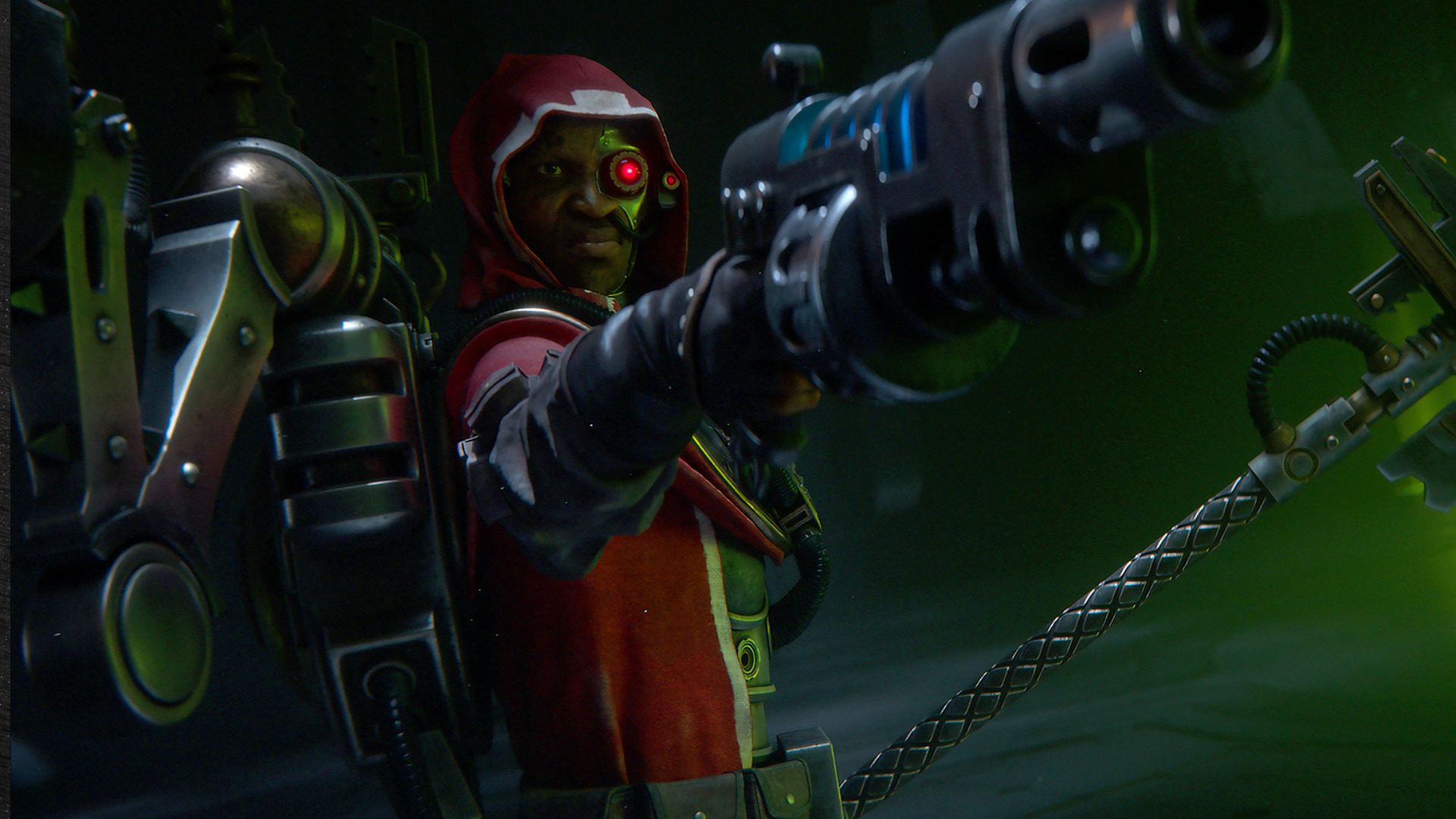
Fans eagerly anticipating the return of one of gaming’s most beloved real-time strategy franchises will need to exercise a bit more patience. KING Art Games has officially announced that Dawn of War 4, the highly anticipated continuation of the Warhammer 40,000-based RTS series, will no longer meet its originally planned September 17th release date. Instead, the developers have confirmed the game will now launch on December 3rd, 2025, citing the need for additional development time to further refine the gaming experience before it reaches players’ hands.
The delay, while disappointing for the dedicated community that has waited years for a new entry in the series, represents a calculated decision by the development team to ensure the final product meets both their standards and the expectations of longtime fans. In their official announcement, KING Art emphasized their commitment to delivering a polished experience, noting that the extra months will be spent on critical refinements that they believe will significantly enhance the overall quality of the game upon release.
A Storied Franchise with High Expectations
The Dawn of War series holds a special place in the hearts of strategy gaming enthusiasts and Warhammer 40,000 fans alike. Originally developed by Relic Entertainment, the first Dawn of War launched in 2004 and quickly became a landmark title in the RTS genre. It successfully translated the brutal, grimdark universe of Warhammer 40,000 into an engaging strategy experience that captured the essence of the tabletop game while offering accessible yet deep gameplay mechanics. The series expanded with numerous expansions and a sequel in 2009, each adding new factions, campaigns, and multiplayer features that kept the community engaged for years.
However, the franchise’s trajectory took a controversial turn with Dawn of War 3 in 2017, which received mixed reviews from critics and fans. The game’s departure from traditional base-building mechanics and its incorporation of MOBA-like elements alienated many longtime players, leading to disappointing sales figures and the eventual cancellation of planned post-launch content. This troubled history places significant pressure on Dawn of War 4 to rehabilitate the franchise’s reputation and recapture the magic that made the original games so beloved.
KING Art Takes the Helm
The decision to hand development duties to KING Art Games marked a notable shift for the franchise. The German studio, known for titles such as Iron Harvest and The Dwarves, brings their own expertise in strategy game development to the table. Their work on Iron Harvest demonstrated a strong understanding of classic RTS mechanics combined with modern production values, making them a logical choice to helm the Dawn of War revival. Industry analysts have noted that KING Art’s approach tends to favor methodical development cycles over rushed releases, which may explain their willingness to delay the game rather than ship an unfinished product.
The December release window, while pushing the game out of the competitive fall season, may actually work in its favor. The holiday period traditionally sees strong software sales, and launching after the initial rush of September and October releases could allow Dawn of War 4 to capture attention in a less crowded marketplace. Furthermore, the additional development time provides opportunities for extended beta testing and community feedback integration, potentially resulting in a more stable launch experience.
What the Delay Means for Fans and the Industry
Game delays have become increasingly common in the modern industry, with developers and publishers recognizing that launching a broken or unfinished product can cause irreparable damage to a franchise’s reputation. High-profile examples like Cyberpunk 2077’s troubled launch have demonstrated the consequences of rushing games to market, leading many studios to adopt more flexible development timelines. For Dawn of War 4 specifically, the stakes are particularly high given the franchise’s need to win back fans disappointed by its predecessor.
The Warhammer 40,000 gaming universe continues to expand rapidly, with Games Workshop licensing the property to numerous developers across various genres. This competitive landscape means Dawn of War 4 must not only satisfy existing fans but also stand out among an increasingly crowded field of Warhammer-themed titles. The extra development time could prove crucial in ensuring the game delivers the depth, polish, and authenticity that the license demands.
Expert Opinion: The delay of Dawn of War 4 represents a calculated risk that could ultimately benefit both the game and the franchise’s long-term health. Given the series’ rocky history with its third installment, KING Art appears to understand that they have one shot at restoring fan confidence. December’s release window, while unconventional, positions the game well for holiday sales and allows the studio to implement crucial refinements that could mean the difference between a triumphant return and another disappointment for this storied RTS franchise.