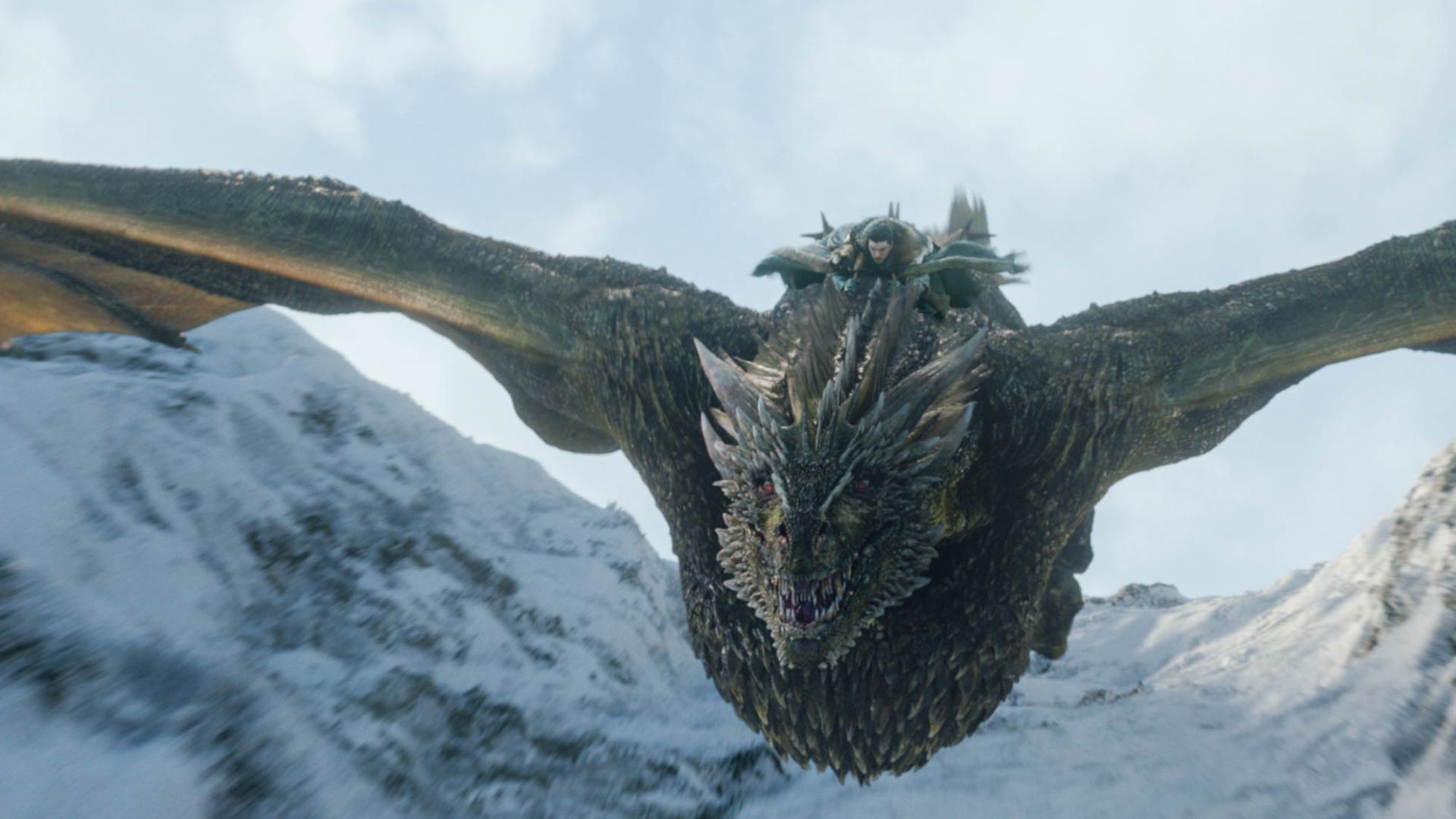
The world of Westeros continues to captivate audiences years after the controversial conclusion of HBO’s Game of Thrones, and now fans are receiving some long-awaited vindication. In what many viewers are calling poetic justice, the beloved dragon Rhaegal is officially making a return appearance, breathing new life into the franchise and giving devoted followers a chance to see the magnificent creature in all its glory once again. The announcement has sparked widespread excitement across the fantasy television community, particularly among those who felt the original series did not give the dragon a proper sendoff.
There was no shortage of controversial moments in HBO’s final seasons of Game of Thrones, but arguably the most devastating and divisive of them all was the tragic slaying of Rhaegal, the second of Daenerys Targaryen’s dragons to suffer a horrible end. His death at the hands of Euron Greyjoy’s Iron Fleet was particularly upsetting after fans were left traumatized by the Night King taking down Viserion in the previous season, only to witness the ice dragon return as an undead wight serving the army of the dead. The rapid succession of dragon deaths left many viewers feeling that these mythical creatures, which had been central to the show’s appeal, were dispatched too hastily in service of plot convenience rather than narrative satisfaction.
The Legacy of Daenerys’s Dragons in Television History
The dragons of Game of Thrones represented a groundbreaking achievement in television visual effects when they first appeared in the series finale of season one. Named after significant figures in Daenerys Targaryen’s life, Drogon, Rhaegal, and Viserion became icons of modern fantasy entertainment. Rhaegal, named after Daenerys’s eldest brother Rhaegar Targaryen, was distinguished by his green and bronze coloring and played a crucial role throughout the series. The dragons collectively required thousands of hours of CGI work per episode, with HBO reportedly spending over fifteen million dollars per episode during the final seasons to bring these creatures to life with unprecedented realism.
The emotional connection viewers developed with these digital creations speaks to the extraordinary craftsmanship of the visual effects teams and the careful storytelling that surrounded these mythical beasts. For eight seasons, audiences watched the dragons grow from hatchlings small enough to perch on Daenerys’s shoulder into massive, fearsome creatures capable of decimating entire armies. This investment of viewer attention and emotion made the sudden deaths of Viserion and Rhaegal all the more difficult to accept, particularly when the circumstances seemed rushed or strategically implausible to many dedicated fans of the series.
Fan Reactions and the Demand for Dragon Justice
The backlash to Rhaegal’s death became emblematic of broader criticism directed at Game of Thrones’ final season. Social media platforms erupted with complaints about the scene, with many viewers questioning how experienced dragon riders could be ambushed so easily by a fleet of ships, regardless of the scorpion ballistas they carried. The petition to remake season eight, which garnered over one million signatures, frequently cited the treatment of the dragons as a primary grievance. Industry analysts have noted that the passionate response demonstrated how deeply invested audiences had become in every aspect of the show’s mythology, from human characters to their dragon companions.
The expansion of the Game of Thrones universe through spinoff series has provided HBO with opportunities to address some of these lingering fan concerns while exploring new corners of George R.R. Martin’s richly detailed world. House of the Dragon, set nearly two hundred years before the events of the original series, has already reintroduced audiences to an era when dragons were plentiful and Targaryen power was at its zenith. The success of this prequel series has demonstrated that appetite for dragon-centric storytelling remains strong, paving the way for creative decisions that honor the legacy of beloved creatures like Rhaegal.
What This Means for the Future of Westeros
The return of Rhaegal, whether through flashback sequences, prequel timelines, or other narrative devices, signals HBO’s commitment to expanding the Game of Thrones universe in ways that satisfy its dedicated fanbase. With multiple spinoff projects in various stages of development, including animated series and additional live-action shows, the network appears determined to learn from the criticisms of the original finale while building upon the elements that made the series a global phenomenon. For fans who mourned Rhaegal’s untimely demise, this revival represents a meaningful acknowledgment of their emotional investment in these extraordinary creatures.
Expert Opinion: The resurrection of Rhaegal in the expanding Game of Thrones universe represents a strategic masterstroke by HBO, demonstrating that modern franchise management requires actively addressing fan grievances while pushing narratives forward. This approach could establish a template for how streaming services rehabilitate controversial creative decisions, potentially increasing subscriber loyalty and engagement across interconnected series for years to come.