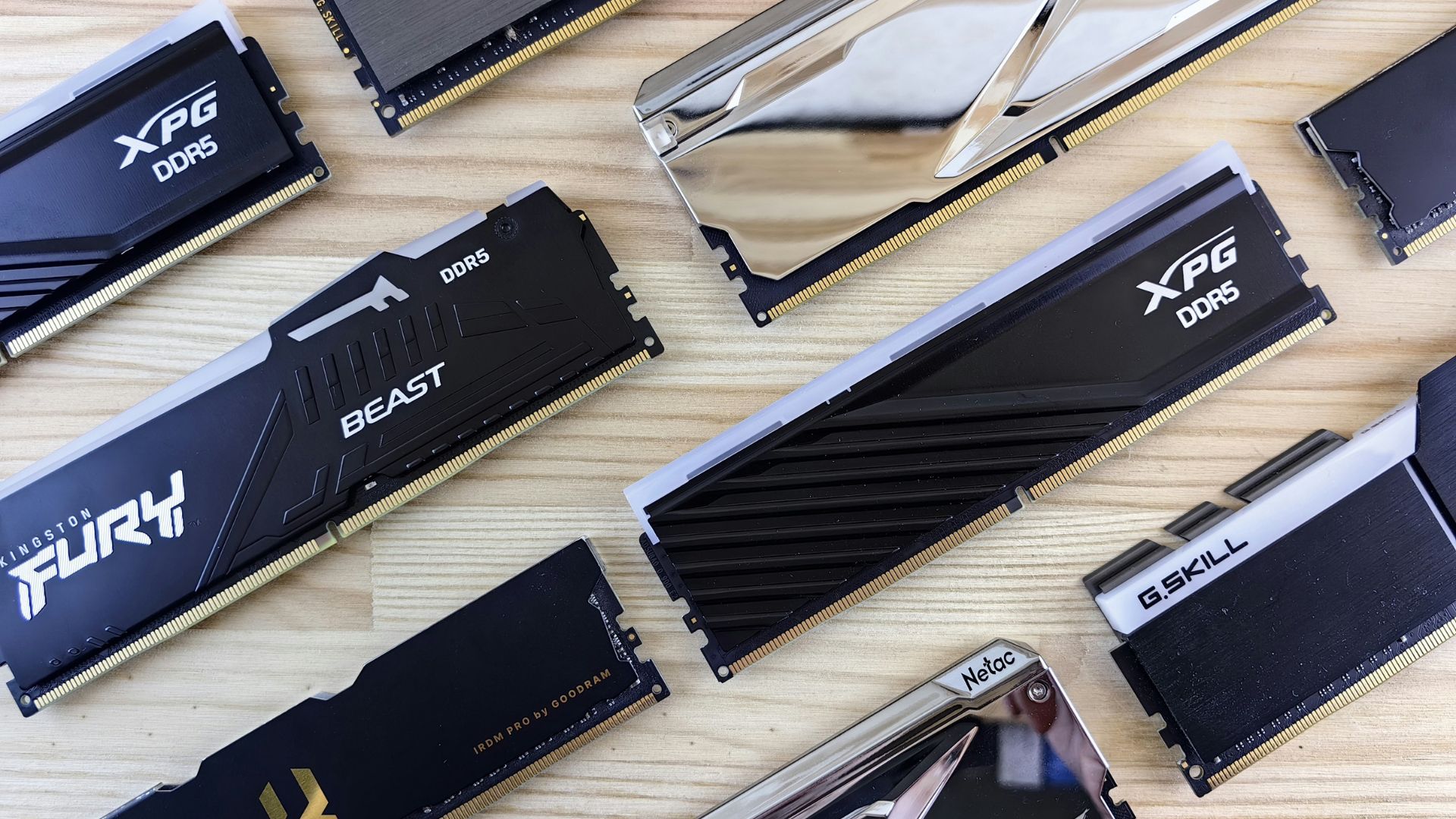
The year 2026 has witnessed an unprecedented surge in computer memory prices, with DDR5 RAM costs reaching levels that have shocked consumers and industry observers alike. Retail prices for a standard 32GB DDR5 RAM kit have skyrocketed to more than four times their late 2025 levels, now commanding well over $400 in August 2026 compared to approximately $100 just eleven months earlier in September 2025. This dramatic price escalation shows no signs of abating, as industry reports now confirm that memory production capacity through 2027 has been entirely pre-sold, leaving little room for relief in the consumer market.
The memory shortage has been building for several quarters, driven by an explosive combination of factors that have converged to create what analysts are calling a perfect storm in the semiconductor industry. Artificial intelligence applications, from large language models to image generation systems, have created insatiable demand for high-bandwidth memory solutions. Data centers operated by major technology companies have been stockpiling memory modules at unprecedented rates, effectively crowding out consumer electronics manufacturers and individual buyers from the limited available supply.
Manufacturing Constraints Fuel the Crisis
The root cause of the ongoing shortage lies in the fundamental constraints of memory chip manufacturing. The global memory market is dominated by just three major producers: Samsung Electronics, SK Hynix, and Micron Technology. These companies control approximately 95 percent of the world’s DRAM production capacity, creating a supply structure that is highly vulnerable to disruption. Building new semiconductor fabrication facilities, known as fabs, requires investments of $15 billion or more and typically takes three to four years from groundbreaking to full production. This long lead time means that even aggressive expansion plans announced in 2024 and 2025 will not meaningfully impact supply until 2028 at the earliest.
Historical context reveals that the memory industry has always been cyclical, experiencing boom and bust periods driven by the capital-intensive nature of chip manufacturing. However, the current situation differs significantly from previous shortages. During the 2017-2018 memory crisis, prices eventually normalized as manufacturers ramped up production and demand stabilized. The present shortage, by contrast, features structural demand growth from AI applications that shows no signs of plateauing. Industry analysts estimate that AI-related memory demand has grown by over 300 percent since 2023, fundamentally reshaping the supply-demand equation.
Impact on Consumers and Businesses
The consequences of sustained high memory prices extend far beyond individual consumers building or upgrading personal computers. Computer manufacturers have been forced to either absorb higher component costs, reducing their profit margins, or pass these increases along to customers through higher device prices. Several major laptop manufacturers have already announced price increases of 15 to 25 percent on their premium product lines, citing memory costs as a primary factor. Gaming console manufacturers, who traditionally operate on thin margins subsidized by software sales, face particularly difficult decisions about their upcoming hardware releases.
Small and medium-sized businesses that rely on computer equipment are feeling the pinch as well. Companies that had planned technology refresh cycles are now delaying purchases or reducing the specifications of their orders. This ripple effect threatens to slow productivity gains that typically accompany hardware upgrades and could have broader economic implications if sustained over multiple quarters.
Looking Ahead: When Will Relief Arrive?
With 2027 production slots already fully committed to existing customers, primarily large technology companies and major device manufacturers, industry watchers are looking toward 2028 for any meaningful supply relief. Memory manufacturers have announced combined capital expenditure plans exceeding $100 billion for new production facilities, but these investments take years to translate into additional chips reaching the market. Some analysts suggest that the earliest window for price normalization could be the second half of 2028, assuming no additional demand shocks emerge from new AI applications or geopolitical disruptions to the supply chain.
In the meantime, consumers and businesses must adapt to the new reality of expensive memory. Some industry observers recommend considering used or refurbished components, while others suggest timing major purchases to coincide with any temporary price fluctuations. The memory market of 2026 serves as a stark reminder of how dependent modern technology has become on a small number of highly specialized manufacturers operating facilities that cannot be quickly replicated or expanded.
Expert Opinion: The structural nature of this memory shortage, combined with unprecedented AI-driven demand, suggests we are witnessing a fundamental shift in memory market dynamics rather than a temporary disruption. Investors and industry planners should prepare for memory to remain a premium resource through at least 2028, with potential implications for the pace of AI deployment and consumer electronics innovation during this period.