
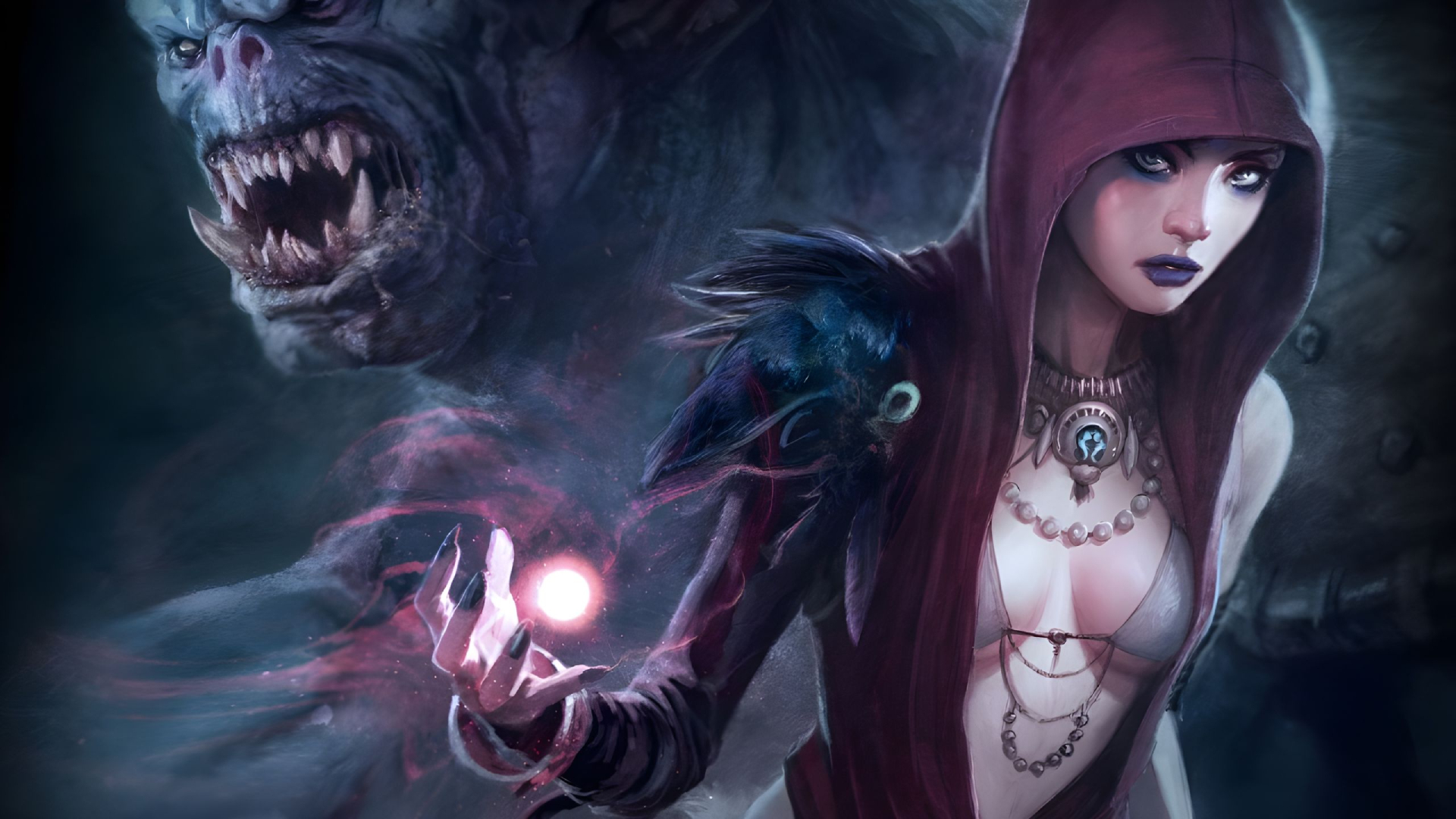
In a sobering assessment that has sent shockwaves through the gaming community, BioWare veteran Mark Darrah has declared that the Dragon Age franchise is likely dead. Speaking on a recent episode of FRVR’s podcast, Darrah, who spent over two decades at the legendary RPG studio, offered a candid evaluation of the fantasy series’ troubled state. His comments come in the wake of Dragon Age: The Veilguard’s disappointing commercial performance and the apparent abandonment of related media projects, painting a grim picture for fans who have followed the franchise since its 2009 debut.
The Veilguard’s Commercial Failure and Critical Reception
Dragon Age: The Veilguard, released in 2024, has proven to be a significant commercial disappointment for Electronic Arts and BioWare. The game currently sits at a concerning 67% positive rating on Steam, a stark contrast to the beloved status of earlier entries in the series. This lukewarm reception represents a dramatic fall from grace for a franchise that once stood alongside Mass Effect as BioWare’s crown jewels. The original Dragon Age: Origins was celebrated for its deep storytelling, tactical combat, and rich world-building, earning numerous Game of the Year accolades and establishing a passionate fanbase that remained loyal through subsequent installments.
The troubles extend beyond the gaming sphere. Dragon Age: Absolution, the Netflix animated series that premiered in December 2022, has not received a renewal for additional seasons despite being released over four years ago. The show, which featured an original story set in the Dragon Age universe, received mixed reviews from critics and audiences alike, failing to capture the magic that made the games so beloved. This multimedia failure suggests that the Dragon Age brand has lost significant cultural relevance in an increasingly competitive entertainment landscape.
Historical Context and BioWare’s Changing Identity
To understand the significance of Darrah’s comments, one must consider the historical trajectory of both Dragon Age and BioWare as a studio. Dragon Age: Origins launched in November 2009 to critical acclaim, praised for its mature storytelling and complex moral choices. The sequel, Dragon Age II, arrived in 2011 with a more streamlined approach that divided the fanbase. Dragon Age: Inquisition in 2014 won Game of the Year at The Game Awards and represented a commercial high point for the series. However, the decade-long gap between Inquisition and The Veilguard proved problematic, with development reportedly restarting multiple times and key creative personnel departing the studio.
Mark Darrah himself left BioWare in December 2020 after 23 years with the company, though he briefly returned as a consultant during The Veilguard’s development. His perspective carries significant weight given his intimate knowledge of the studio’s inner workings and his role as executive producer on multiple Dragon Age titles. When such a central figure in the franchise’s history declares it effectively dead, the industry takes notice.
The Path Forward: Reset or Retirement
Perhaps the most intriguing aspect of Darrah’s comments is his suggestion that any future continuation of Dragon Age would require a complete reset. This implies that the accumulated lore, ongoing storylines, and established character relationships that have built up over fifteen years may have become more burden than benefit. The franchise’s complex mythology, while beloved by dedicated fans, may have created barriers to entry for new players while simultaneously failing to satisfy longtime followers expecting resolution to long-running narrative threads.
The concept of a franchise reset is not unprecedented in gaming. Series like Tomb Raider and God of War have successfully reinvented themselves by returning to basics while honoring their heritage. However, such transformations require significant investment, creative vision, and corporate commitment. Given EA’s recent track record and BioWare’s diminished reputation following the troubled launches of Mass Effect: Andromeda and Anthem, securing such support for a Dragon Age reboot appears uncertain at best. The studio’s future itself remains in question, with the success of The Veilguard being widely viewed as a make-or-break moment for the Edmonton-based developer.
Expert Opinion: The Dragon Age franchise faces an existential crossroads that reflects broader challenges in AAA RPG development. Extended development cycles, shifting market preferences toward live-service models, and the departure of key creative talent have eroded what once made BioWare’s RPGs industry-defining experiences. If Dragon Age is to return, EA must be willing to invest in a complete creative reimagining while simultaneously rebuilding trust with a skeptical fanbase—a tall order in today’s risk-averse publishing environment.